Bringing a new kitten home is a joy filled with cuddles, play and lots of curiosity. When exploring, kittens use their mouths to examine almost everything – even their litter tray. If you’ve just caught your little kitty chewing on their litter box, you’re not alone, and it’s perfectly reasonable to be a little concerned.
Choosing the safest cat litter for kittens is one of the most important decisions you’ll ever make. The wrong litter can cause serious health problems; the right one gives your kitten a clean, safe place to learn good toilet habits. At Olive Scoop, we make natural, plant-based litter in the UK and we work with cat owners, breeders and rescue organisations who need products that are gentle enough for the tiniest kittens.
In this guide, we explain why some litters are dangerous, which non-toxic alternatives are safest, how to safely litter-train your kitten, and what to do if your kitten is using the tray as a food bowl.
This article is for general education purposes and is not a substitute for veterinary advice. If you are concerned about your kitten, please contact your veterinarian.
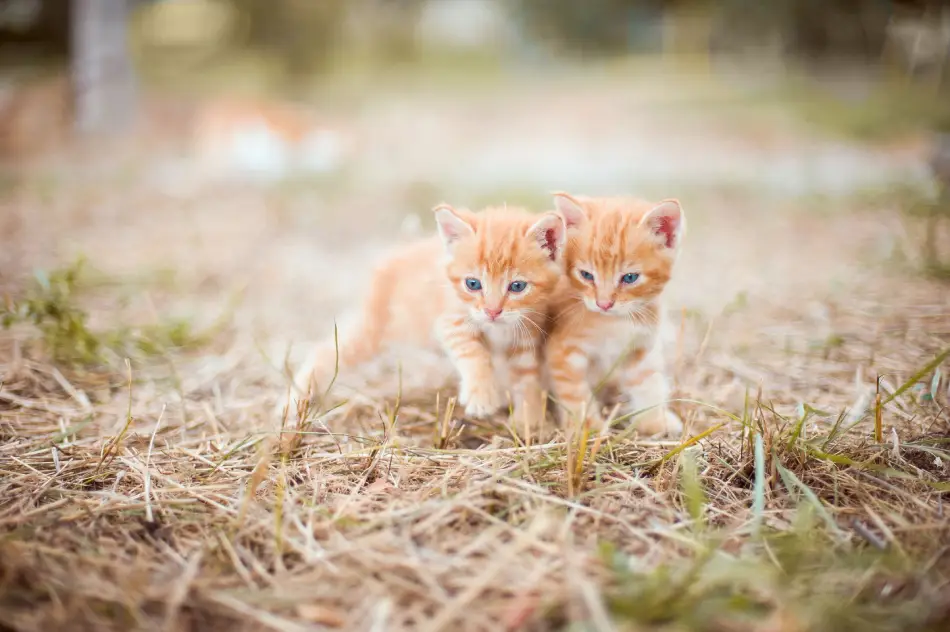
The safest cat litter for kittens is a non-toxic, low-dust, unscented litter made from a natural, digestible material – olive pit, wood, paper, corn, or tofu. These pass safely through a kitten’s digestive system if a little is swallowed and protect their developing lungs from dust. The litters to avoid are clay (bentonite) and silica crystals, which are indigestible and dangerous if eaten.
Here is how the main kitten-safe options compare. (All five are made from natural materials that are non-toxic and digestible if a small amount is swallowed – unlike clay and silica.)
| Litter type | Clumping | Safe if swallowed | Dust | Odour control |
|---|---|---|---|---|
| Olive pit (OliveScoop) | Strong (plant-based) | Yes – natural & non-toxic | Dust-free | Excellent |
| Wood pellet | No (breaks into sawdust) | Yes – breaks down in stomach | Low | Good |
| Paper pellet | No | Yes – easily passed | Very low | Poor |
| Corn / maize | Optional (choose non-clumping for tiny kittens) | Yes – food-grade | Low–medium | Excellent |
| Tofu / soya | Plant clumping (dissolves in water) | Yes – dissolves & digestible | Very low | Excellent |
| Clay (bentonite) ❌ | Hardens like cement | No – expands in the gut | High | Good |
| Silica crystals ❌ | n/a | No – absorbs body moisture | Medium | Excellent |
Standard clumping clay litter is dangerous for kittens because it is made from sodium bentonite, which expands and hardens into a cement-like mass when it meets moisture – including the moisture inside a kitten’s stomach.
This expansion is what makes clay convenient for adults: urine forms a solid clump you can scoop. But for a kitten under four months old, that same property is a serious hazard.
Risk of gastrointestinal blockage. Kittens are clumsy and curious. They may eat litter out of interest or swallow it while grooming it from their paws. If a kitten ingests sodium bentonite, it reacts with moisture in the gut, expands, and can form a hard, immovable blockage. A gastrointestinal blockage is a life-threatening emergency that often requires surgery.
Respiratory irritation from dust. Cheap clay litters are very dusty, and kittens dig with their faces close to the ground. Inhaling fine silica dust can contribute to feline asthma, upper-respiratory infections, and chronic coughing in developing lungs. This is why a genuinely dust-free litter is one of the best things you can give a kitten.
The golden rule: Never use clumping clay or silica-crystal litter for a kitten under four months (16 weeks). Choose a natural, non-toxic, low-dust litter instead.
The danger above is specific to mineral clay. Plant-based clumping litters – such as olive pit, tofu, and corn – clump using natural plant material rather than expanding minerals. The material is digestible and non-toxic, and it does not set into the indigestible, cement-like mass that makes clay so risky. This is why a strong-clumping plant litter and a kitten-safe litter are not a contradiction: it is the clay, not the clumping itself, that causes blockages.
For the youngest, heavily teething kittens (roughly under four months) who still nibble everything, it is sensible to supervise litter use and minimise how much they swallow, whatever litter you choose. Plant-based litters are a safe, low-risk choice during this stage and the natural everyday litter as your kitten matures.
Kittens eat litter mainly out of curiosity and teething, but it can occasionally signal a health issue. The common reasons are:
A safe kitten litter must meet four criteria: free from clay and silica, non-toxic and digestible, low-dust or dust-free, and unscented.
The UK market now offers an excellent range of natural, non-toxic, kitten-safe litters. Here are the top choices, including our own.
Olive pit litter is one of the most innovative natural options in the UK, including our own OliveScoop kitten litter. It is made from 100% upcycled olive pits – a byproduct of olive-oil production – with no toxins and nothing artificial. Because it repurposes food-industry waste, it is one of the most sustainable litters available, and it is manufactured here in the UK.
Wood pellets – usually compressed pine or spruce – are a long-standing favourite, used by many UK breeders and rescue centres for very young kittens.
Made from recycled newspaper or paper fibres, paper litter is soft and completely non-toxic – the litter vets most often recommend for cats recovering from surgery.
Corn litters are made from compressed natural corn. Some clump, but the mechanism is plant-based and far gentler than clay. For very young kittens, a non-clumping corn variety is a safe choice.
Tofu litter is a UK favourite, made from food-grade soybean pulp formed into soft, cylindrical pellets – including options crafted here at Olive Scoop.
Avoid the following until your kitten is at least four to six months old:
To litter-train a kitten safely, use a shallow tray, a quiet location, a thin layer of safe litter, and gentle encouragement after meals and naps.
Step 1 – Choose a shallow tray. Kittens have tiny legs; high sides are hard to climb. Use a small, shallow tray and upgrade as they grow.
Step 2 – Pick the right spot. Place the tray somewhere quiet and low-traffic, and never next to food and water – cats refuse to toilet where they eat.
Step 3 – Keep the litter shallow. About 1–1.5 inches is plenty. Too much makes balancing hard.
Step 4 – Introduce gently. After a nap, meal, or play session, place your kitten in the tray and lightly mimic a scratching motion with their front paw to trigger instinct.
Step 5 – Keep it immaculate. Kittens avoid dirty trays. With a clumping litter such as olive pit, scoop the clumps and solids at least once a day and top up – this is one of the practical advantages of fast-clumping litter. With non-clumping litters (paper or wood), remove solids daily and fully change the tray at least twice a week. Wash with mild, unscented soap and warm water – never bleach or ammonia, which are toxic and can mimic the smell of urine.
If your kitten swallows a small amount of natural, non-toxic litter, it will usually pass safely – but if you suspect clay or notice warning signs, contact your vet right away.
Red-flag symptoms – seek immediate veterinary care:
Do not wait to see if it passes. Contact your vet or an emergency out-of-hours clinic – time is critical with blockages.
Most vets recommend waiting until a kitten is at least four to six months old before introducing clumping clay or other adult mineral litter, by which point their digestive system has matured and grooming habits are reliable. (Natural, digestible litters like olive pit can be used throughout, with supervision for the youngest kittens.)
Cats dislike sudden change, so transition over 7–10 days:
If your kitten tries to eat a new clay litter, revert to the safe litter and try again a month later.
Yes. OliveScoop olive pit litter is made from 100% natural upcycled olive pits with no toxins, so it is non-toxic if a stray granule is swallowed, and it is dust-free, which protects a kitten’s developing lungs. It is a fast-clumping litter, but the clumping is plant-based and does not expand like clay. As with any clumping litter, supervise very young, teething kittens and discourage nibbling.
Plant-based litters can be used throughout kittenhood with supervision. Clumping clay litter should wait until your kitten is at least four to six months old, because before then kittens are prone to eating litter and clay can cause fatal blockages.
Usually curiosity or teething, or accidental swallowing during grooming. Occasionally it signals pica, which can point to a nutritional deficiency, anaemia, or parasites – worth a vet check if it is frequent.
Yes. It is non-clumping, and a small swallowed amount breaks down safely in the digestive tract without causing blockages.
Silica gel is dangerous. The crystals absorb moisture from the digestive tract, causing dehydration and a possible blockage. Avoid silica for young kittens.
Yes. OliveScoop is a dust-free litter, which matters because kittens dig with their faces close to the litter and have small, developing lungs. Low-dust and dust-free litters reduce the risk of respiratory irritation and feline asthma.
With a clumping litter such as olive pit, scoop clumps and solids daily and top up, then do a full change periodically. With non-clumping litters, scoop solids daily and completely empty, wash, and refill the tray at least twice a week.
No. Artificial perfumes overwhelm a kitten’s sensitive nose, can irritate their airways, and often cause tray avoidance. Use an unscented natural litter and clean regularly instead.
Yes. High-quality tofu litter is made from food-grade soy pulp – plant-based, non-toxic, and it breaks down easily if swallowed.
The safest cat litter for kittens is always non-toxic, low-dust, unscented, and made from a natural, digestible material – olive pit, wood, paper, corn, or tofu – with no clay or silica. By avoiding harsh clays and silica, you eliminate the risk of life-threatening blockages and can focus on the fun parts of kitten parenthood. A little curiosity is natural, and in a safe environment a nibble of a natural litter won’t cause harm. Prioritise safety now, and you set your kitten up for a lifetime of healthy bathroom habits.
Ready to upgrade your kitten’s hygiene? Give your kitten the safest, softest start with Olive Scoop’s natural, dust-free, non-toxic litter made from upcycled olive pits – shop OliveScoop today.
Reference