
I’ll never forget the day a young couple from Manchester rang me in a panic. They’d fallen in love with a pair of fluffy kittens online but had no idea whether their tiny one-bedroom flat and long office hours would suit them.
“We just want a cat that fits our life,” they said. Fifteen years of writing trusted pet content for UK audiences, and this question still comes up every single week: which cat breed is right for you?
Getting the match right makes all the difference. A laid-back British Shorthair can turn a busy London flat into a peaceful haven, while an energetic Bengal might leave you exhausted if you’re rarely home.
In this comprehensive 2026 guide, I’ll draw on the latest GCCF registration data, vet insights and real experiences from British owners to help you choose wisely. You’ll finish feeling informed, excited and ready to welcome the right cat into your home.
British homes come in all shapes – from cosy cottages in the Cotswolds to high-rise flats in Manchester or family houses in the suburbs. Our weather, smaller living spaces on average, and busy modern lifestyles all influence what makes a good feline companion.
According to the Governing Council of the Cat Fancy (GCCF), the British Shorthair remains the most popular pedigree breed by a clear margin, followed by the Ragdoll and Maine Coon. Yet thousands of loving moggies in rescues also make wonderful pets. The key is honesty about your routine, space and expectations. A mismatch can lead to stress for both you and the cat – something no responsible owner wants.
This guide is built on real breed standards from the GCCF, feedback from thousands of UK owners, and practical advice that respects British life in 2026.
Before browsing adorable photos, take a few minutes to answer these questions. Be brutally honest – it saves heartache later.
Jot your answers down. Many readers tell me this simple exercise immediately narrows their shortlist.
Score each statement from 1 (not important) to 5 (essential):
Rough guidance (remember every cat is an individual):
Snap a photo of your scores and refer back as you read the profiles.
Here are the breeds British owners love right now, based on GCCF data and recent owner surveys.
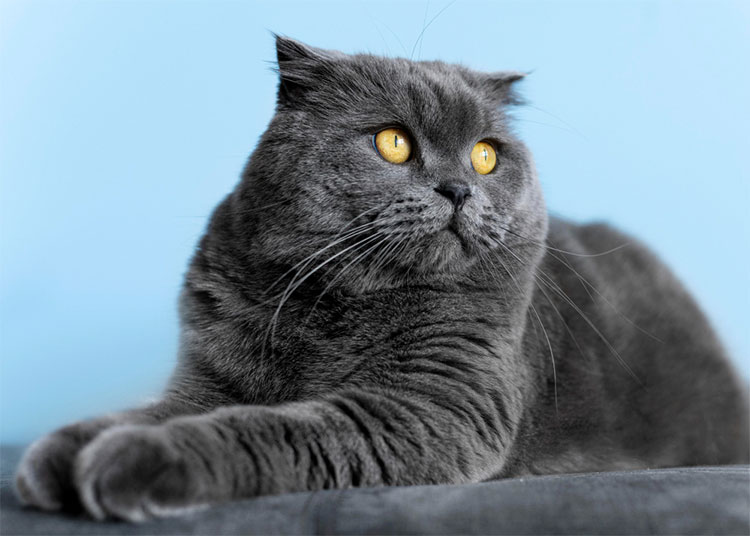
With their plush teddy-bear coats and round, friendly faces, British Shorthairs (especially the classic British Blue) top GCCF registrations year after year. They are calm, independent yet affectionate, and perfectly suited to British life.
Pros: Tolerant of alone time, great with families and changes, easy weekly grooming, hardy and long-lived.
Cons: Can put on weight if not encouraged to play; sometimes reserved with strangers.
Best for: Busy professionals, apartment dwellers, families with children, or first-time owners seeking low drama.
I still smile when I think of the retired teacher in Edinburgh who chose a British Blue. “She’s my quiet shadow,” she wrote. “Perfect for my slower pace.”
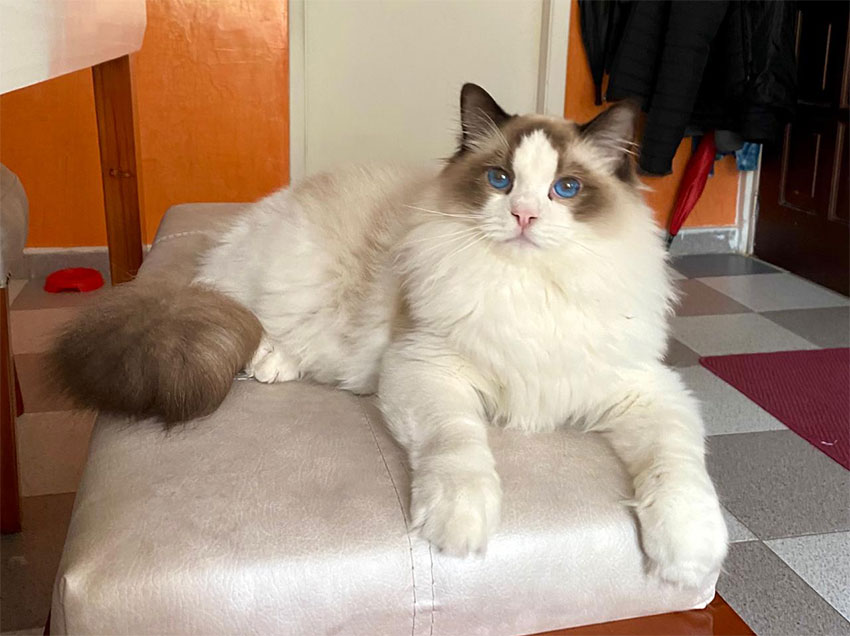
Large, silky semi-longhaired cats are famous for going completely limp and trusting when held. Striking colourpoint patterns and vivid blue eyes make them stand out.
Pros: Extremely affectionate, excellent with children and dogs, relatively quiet, moderate energy.
Cons: Needs regular grooming to prevent mats; best kept indoors or supervised outdoors due to their trusting nature.
Best for: Families wanting a lap cat, couples who enjoy gentle companionship, or anyone seeking a “therapy” cat.
Many UK owners describe them as the ultimate family breed – patient enough for toddler hugs yet sturdy enough for household bustle.
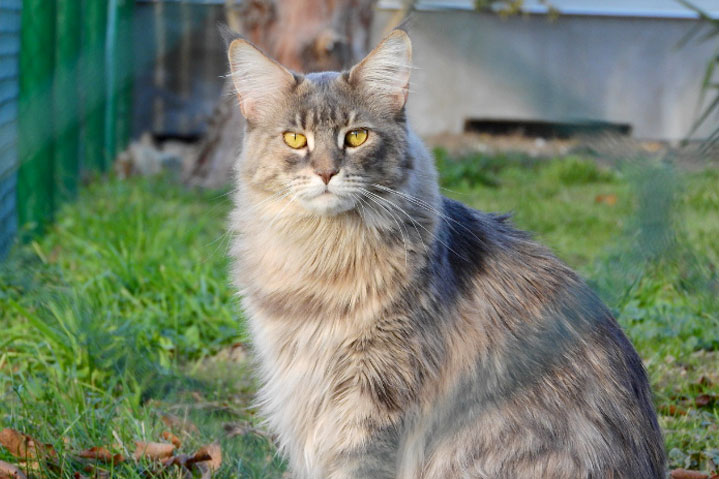
One of the largest domestic breeds with tufted ears, bushy tails and a friendly chirp. Their thick coat helps them cope with British winters.
Pros: Affectionate yet independent, wonderful with families, intelligent and playful, generally robust.
Cons: Need space to roam and climb; grooming is moderate to high; food costs can be higher.
Best for: Houses with gardens (secure ones), active families, or owners who love a chatty, larger cat.
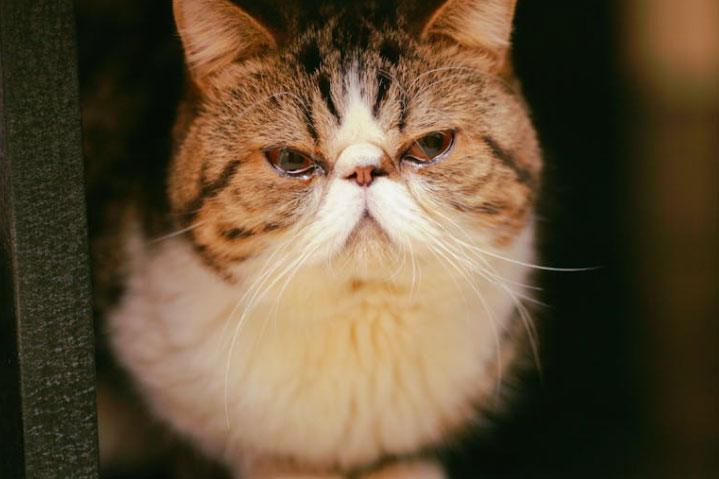
Same sweet, flat face and gentle personality as Persians, but with a short, plush coat that’s far easier to maintain.
Pros: Affectionate lap cats, tolerant of family life, low grooming, playful yet relaxed.
Cons: Potential for breathing issues and eye care – choose ethical breeders carefully.
Best for: First-time owners who adore the Persian look without the daily brushing commitment.
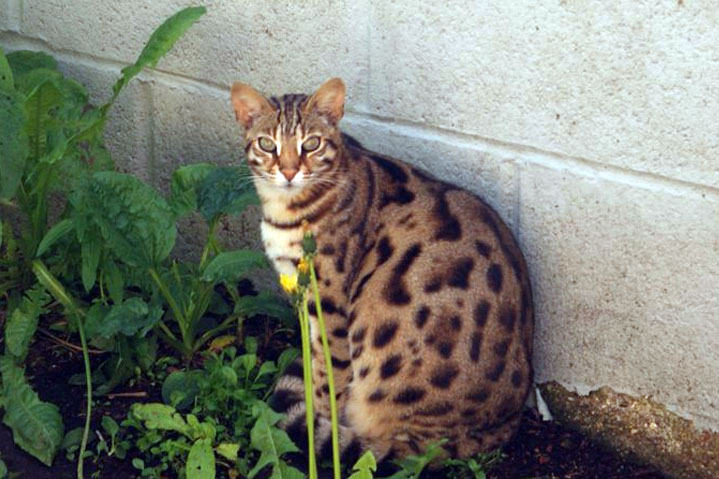
Striking spotted or marbled coats and a wild appearance. Highly intelligent and always on the go.
Pros: Athletic, playful, bonds strongly, can learn tricks.
Cons: Needs significant mental and physical stimulation or may become bored and destructive; not ideal for very quiet homes.
Best for: Active owners with time for interactive play and enrichment.
Other breeds worth considering include the Birman (gentle and sociable), Russian Blue (elegant and quiet), and the ever-popular moggy – often a perfect blend of traits without pedigree health risks.
Important note on ethics: Breeds like the Scottish Fold are not recognised by the GCCF due to serious welfare concerns around joint pain and osteochondrodysplasia. Always prioritise health over appearance and support responsible breeders who health-test.
Rescue or pedigree? UK shelters and rescues like Cats Protection and Blue Cross are full of wonderful mixed-breed cats and kittens. Many behave just like their pedigree cousins.
Health testing: Reputable GCCF-registered breeders provide clear health certificates. Look for screening for hypertrophic cardiomyopathy (HCM) in Ragdolls and Maine Coons, for example.
Allergies: Siberian or Balinese cats may produce less Fel d 1, but always spend time with the cat first.
Costs: Expect £800-£2,000+ for a pedigree kitten from a responsible breeder, plus insurance (highly recommended in the UK), quality food and accessories.
Outdoor access: Many British cats enjoy safe garden time. Consider microchipping, neutering and a secure cat run if needed.
Complete the quiz and shortlist two or three breeds.
Visit a GCCF cat show or local rescue to meet cats in person.
Research breeders via the official GCCF website and ask detailed health questions.
Prepare your home: plenty of vertical space, scratching posts, quiet litter areas and safe toys.
Arrange pet insurance and book a vet check within days of bringing your cat home.
Even the best-matched breed needs a settling-in period. Patience, consistency and love matter more than any certificate.
Ready to Find Your Forever Cat?
You now have the knowledge to make a confident choice. Which breed caught your eye, or what were your quiz scores? Share them in the comments – I read every one and am happy to offer personalised thoughts where I can.
If you’re ready to take the next step, check your local Cats Protection branch or search for GCCF-registered breeders today. Many rescue centres hold “speed dating” events for cats and potential owners – perfect for a weekend outing.
Bookmark this guide, share it with friends pondering the same question, and get ready for years of purrs, head bumps and unconditional companionship. British homes are simply better with the right cat in them.
Here’s to many happy years together – whatever breed (or beautiful moggy) you ultimately choose.
