If you have noticed your feline friend sneezing every time they use their litter tray, or if you find yourself suffering from a runny nose and itchy eyes during your daily scooping routine, you are not alone. Litter-related allergies are a surprisingly common, yet frequently misunderstood, issue for households across the UK. The culprit is rarely the cat itself; more often than not, it is the invisible cloud of dust, the synthetic perfumes, or the chemical binding agents hiding inside standard supermarket cat litter.
When dealing with sensitive respiratory systems-whether human or feline-switching to the best hypoallergenic cat litter is not just a luxury; it is a fundamental necessity for a healthy, comfortable home environment. Constant exposure to irritants can lead to chronic respiratory conditions, exacerbated asthma, and stressful litter tray avoidance behaviours.
In this comprehensive guide, we will break down the precise science behind litter allergies, explore the exact materials that trigger these uncomfortable reactions, and provide you with an in-depth, expert-backed review of the best hypoallergenic cat litter alternatives available on the market today. By the end of this article, you will have all the knowledge required to create a safe, dust-free, and odourless environment that both you and your cat will love.
Before you can choose the perfect hypoallergenic cat litter, it is vital to understand that cats and humans often react to different irritants in completely different ways. An effective hypoallergenic setup must address the triggers for both species simultaneously.
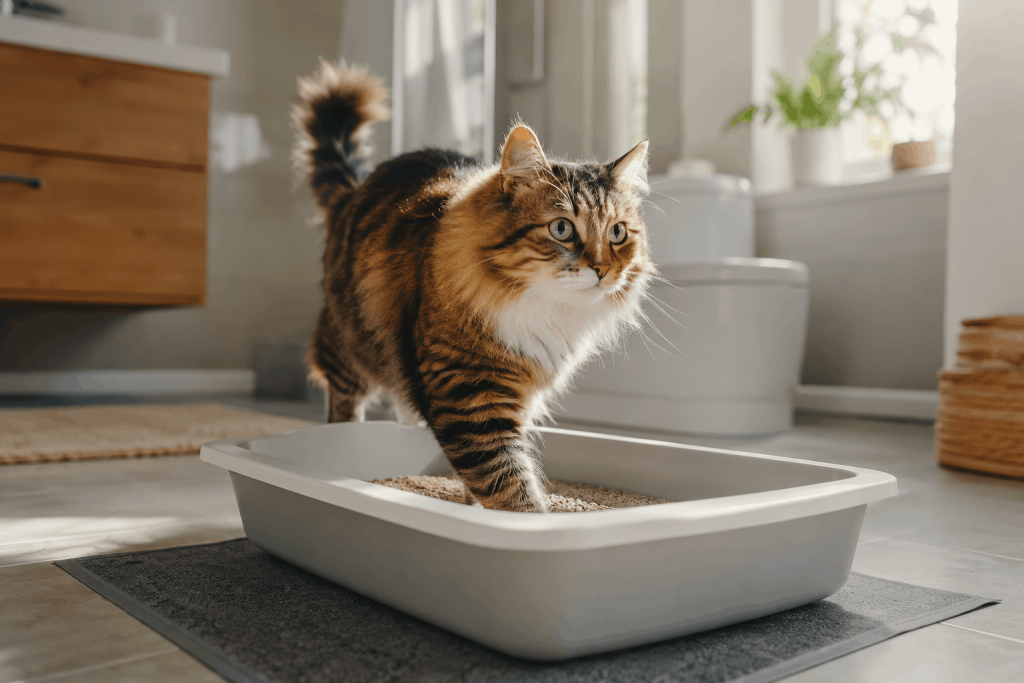
Feline allergies related to litter typically manifest in two distinct forms: respiratory irritation and contact dermatitis. Cats have incredibly sensitive respiratory tracts. Because their noses are mere inches away from the litter when they dig, sniff, and bury their waste, they inhale a concentrated dose of whatever particulates are airborne in the tray.
Common symptoms of feline litter allergies include:
For human owners, the allergic reaction is usually triggered during the maintenance phase-pouring new litter, scooping waste, or simply breathing the air in a poorly ventilated room where the litter tray resides.
Human symptoms typically include:
The key takeaway is that a truly hypoallergenic cat litter must be formulated to neutralise the triggers for both the feline and the human. It is a dual-purpose requirement that eliminates the most offensive elements found in traditional litters.
The term “hypoallergenic” simply means that a product is relatively unlikely to cause an allergic reaction. In the wild world of pet care, this term is not heavily regulated, meaning many brands slap the label on their packaging without making significant formula changes. To cut through the marketing noise, you need to look for three specific, non-negotiable characteristics.
1. 99.9% Dust-Free Formulations
Dust is public enemy number one. Traditional clay litters, particularly clumping varieties made from sodium bentonite, produce microscopic silica dust when poured or scratched. When inhaled over months or years, silica dust coats the lungs, triggering severe inflammatory responses. A genuine hypoallergenic cat litter must utilise manufacturing processes that extract dust before packaging, ensuring that poured litter drops cleanly without producing a visible, lingering cloud.
2. Completely Unscented and Fragrance-Free
Humans often buy heavily perfumed litters to mask the smell of ammonia and faeces. However, a cat’s sense of smell is roughly fourteen times stronger than a human’s. What smells like a subtle “spring meadow” to you is an overwhelming, chemical nightmare for your cat. Furthermore, synthetic fragrances rely on complex chemical compounds (phthalates and volatile organic compounds) that are major triggers for both human and feline asthma. A hypoallergenic litter controls odour naturally through high absorbency and natural enzymes, not artificial perfumes.
3. Free from Harsh Chemical Additives
Many commercial litters use chemical clumping agents, artificial dyes to make the litter look cleaner, or synthetic deodorisers. A cat ingests these chemicals when they groom their paws after using the tray. Hypoallergenic litters rely on organic, plant-based clumping mechanisms-such as plant starches or natural guar gum-that are entirely safe if accidentally ingested in small quantities.
If you are dealing with allergies in your household, there are two specific types of litter you must immediately remove from your shopping list.
Traditional Clay and Sodium Bentonite Litter: Clay litter is cheap, clumps hard, and is widely available, making it the most popular choice globally. However, it is fundamentally incompatible with an allergy-friendly home. Sodium bentonite clay expands when wet to form clumps, but when dry, it is incredibly friable, breaking down into a fine, crystalline silica dust. This dust tracks easily on your cat’s paws, embedding itself into your carpets and furniture, turning your entire home into an allergen hotspot.
Heavily Scented and Perfumed Litters: As mentioned, synthetic fragrances are a primary trigger for asthma attacks and contact dermatitis. Even if a scented litter claims to be “dust-free,” the volatile organic compounds (VOCs) emitted by the perfumes will constantly irritate sensitive respiratory tracts. Always opt for unscented.
Now that we know what to avoid, let us delve into the absolute best hypoallergenic alternatives available to UK pet owners. Each material has distinct pros and cons, so the right choice will depend on your cat’s specific preferences and your household cleaning routine.
Olive pit cat litter is a genuinely exciting newcomer to the hypoallergenic litter market, and UK-based OliveScoop is leading the charge. Made from 100% upcycled olive pits – the hard stone at the centre of the olive, left over from food production – this litter transforms an agricultural by-product that would otherwise go to waste into a premium, planet-friendly product.
Tofu cat litter has taken the eco-conscious pet market by storm, and it stands out as arguably the best all-around hypoallergenic cat litter available today. Made from the natural fibrous by-products of soybean processing (soya pulp), tofu litter is compressed into small, cylindrical pellets.
Paper litter is manufactured from recycled newspaper or raw wood pulp, compressed into soft, highly absorbent pellets. It is frequently the number one recommendation by UK veterinarians for cats recovering from surgery.
Wood pellet litter, typically made from compressed pine or spruce sawdust, is a staple in many UK homes.
A slightly more niche but highly effective option, this litter is crafted from the crushed shells of walnuts.
Silica gel litters are made from sodium silicate sand, processed into highly porous, transparent crystals-the exact same material found in the tiny “do not eat” moisture-absorbing packets in new shoes.
Cats are creatures of strict habit. They draw comfort from routine and familiar environments. If you abruptly throw away their soft, sandy clay litter and replace it with large, cylindrical tofu or paper pellets, there is a very high probability they will protest by urinating on your living room rug.
To ensure a stress-free transition, you must implement a gradual integration programme. This process requires patience, usually spanning 10 to 14 days, allowing your cat to adjust to the new texture and smell at their own pace.
The Four-Stage Transition Plan:
Upgrading to a high-quality hypoallergenic cat litter is the most critical step, but it is only one part of a comprehensive allergy management strategy. To truly create a sanctuary for sensitive lungs, you must optimise the surrounding environment and your maintenance routines.
1. Implement a Rigorous, Low-Impact Cleaning Routine
Do not wait for the tray to smell before you clean it. For allergic cats, ammonia build-up is a severe respiratory irritant. Scoop solid waste and urine clumps at least twice a day. When performing a full tray wash (weekly for clumping litters, every few days for non-clumping), avoid harsh bleach or highly perfumed chemical cleaners. Wash the tray with hot water and a mild, unscented dish soap, or a diluted white vinegar solution. If you, the owner, are the allergy sufferer, wear a simple disposable face mask and gloves during the daily scooping routine to prevent inhaling any residual particulates.
2. Invest in an Air Purifier with a True HEPA Filter
Positioning a high-quality air purifier within a few feet of the litter tray is an absolute game-changer. Ensure the purifier utilises a “True HEPA” filter, which is medically certified to capture 99.97% of airborne particles as small as 0.3 microns. This will continuously suck in and trap any micro-dust, dander, and airborne allergens before they can drift into your living spaces or settle into your carpets. Models that also feature an activated carbon filter will safely neutralise odours without adding synthetic fragrances to the air.
3. Choose the Right Style of Litter Tray
If your cat suffers from asthma, do not use a fully enclosed, covered litter tray. While hooded trays are great for hiding the mess from human eyes, they trap dust, ammonia, and allergens inside. When your cat steps inside the hood, they are forced to breathe a highly concentrated, toxic cloud of irritants. Opt for a large, high-sided, open-air litter tray. This provides plenty of ventilation, ensuring the air remains fresh, while the high sides prevent litter from being kicked out onto the floor.
4. Manage Diet and Hydration
A cat’s overall health drastically impacts their skin and respiratory resilience. Ensuring they are on a high-quality, moisture-rich diet (predominantly wet food) supports a strong immune system. Furthermore, proper hydration dilutes the concentration of ammonia in their urine, making the litter tray naturally less odorous and less irritating to the respiratory tract. Consult your vet about adding Omega-3 fatty acid supplements (like salmon oil) to their diet, which are proven to naturally reduce systemic inflammation and support healthy skin, combating contact dermatitis.
Yes, absolutely. The microscopic silica dust found in traditional clay litters, alongside synthetic fragrances and chemical deodorisers, are major triggers for human asthma, allergic rhinitis (sneezing, runny nose), and contact dermatitis. Switching to a dust-free, unscented litter mitigates these risks.
Recycled paper pellet litter and premium tofu cat litter are widely considered the least dusty options available. They do not break down into fine, airborne particulates when scratched or poured, making them the safest choices for severe respiratory issues.
Yes. Traditional clumping clay litter is made from sodium bentonite, which produces fine crystalline silica dust. When an asthmatic cat breathes this in, it coats their delicate lung tissue, triggering severe inflammation, chronic coughing, and dangerous asthma attacks.
Key signs of a feline litter allergy include persistent sneezing, a dry, hacking cough (asthma), wheezing, watery eyes, or red, inflamed skin on their paw pads. You may also notice behavioural changes, such as suddenly refusing to use the litter tray entirely.
Yes, high-quality hypoallergenic litters control odour incredibly well without using masking perfumes. Materials like olive pit, tofu and silica gel are naturally highly porous and absorbent, trapping the moisture and ammonia instantly to prevent smells from escaping.
Certain natural, plant-based litters, such as tofu litter, are fully biodegradable and technically flushable in small, individual clumps. However, you must always check the specific guidelines of your local UK water authority, as flushing any pet waste can sometimes be restricted to protect local waterways.
Once you have fully transitioned to a completely dust-free, hypoallergenic litter and thoroughly cleaned the surrounding environment to remove residual dust, you should notice a significant improvement in both feline and human respiratory symptoms within one to two weeks.
Managing feline asthma or human allergies does not mean you have to compromise on a clean, odour-free home, nor does it mean your cat has to suffer in discomfort. By abandoning dusty, heavily perfumed, and chemically treated clay litters, and making the transition to a high-quality, plant-based alternative like premium tofu or paper pellet litter, you can drastically reduce the allergen load in your household.
Remember, the best hypoallergenic cat litter is one that prioritises a 99.9% dust-free formula, strictly avoids synthetic fragrances, and utilises natural, organic materials. Pair your new litter choice with a gradual transition plan, an open-air litter tray, and a True HEPA air purifier, and you will create an environment where both you and your feline companion can finally breathe easily. Take the time to observe your cat’s preferences, be patient with the transition, and invest in a brand that puts respiratory health first.
Ready to Upgrade Your Cat’s Litter?
Stop letting dust and perfumes irritate your cat! Browse the Olive Scoop range today and upgrade to our premium, 100% dust-free hypoallergenic tofu cat litter for a cleaner, healthier home.