
If you’ve ever poured a “new bag” of litter into the tray and watched a little dust cloud bloom like a tragic special effect… you already know why dust-free matters.
Low‑dust litter can make a noticeable difference for:
Most litters marketed as “dust-free” are better described as low‑dust-meaning they produce significantly less airborne powder during pouring, digging, and scooping, but they’re rarely 100% perfect in real homes. Even “dust-free” picks may create a little dust as the bag settles, granules break down, or the tray gets low.
So in this article, “dust-free” = lowest practical dust, not a magical zero‑particle promise.
Dust is mainly a comfort + indoor air quality issue for most households. But some ingredients can be more irritating than others-particularly when fine particles get airborne.
For example, respirable crystalline silica dust is widely recognised as harmful in long-term, high-exposure occupational settings (think construction/mining), which is one reason many cat parents prefer low‑dust alternatives at home.
The practical takeaway: choose low‑dust, keep the tray clean, pour gently, and ventilate the area. You’ll usually get the benefits without turning litter time into a hazmat situation.
To keep this genuinely useful (and trustworthy), the recommendations below prioritise:
Where we mention product features like “99% dust-free,” those are sourced from brand or retailer listings.
| Litter | Type | Dust level | Best for | Main trade-off |
|---|---|---|---|---|
| OliveScoop (olive pit) | Natural clumping granules | Very low | Dust-sensitive homes, clumping lovers | Premium feel compared to basic pellets, with lower long-term mess and waste |
| Breeder Celect (recycled paper) | Non-clumping pellets | Very low | Allergies, kittens, gentle paws | Not classic clumping |
| Ever Clean Litterfree Paws | Clumping clay (large granules) | Very low | Maximum odour control + low dust | Heavier, clay-based |
| KatKin Scoop Planet | Plant-based clumping pellets | Very low | Low tracking + dust-free feel | Subscription model suits some, not all |
| Cats Best Original | Clumping wood fibre | Low | Natural clumping + lighter bags | Wood fibre can track in some homes |
| Greenwoods Plant Fibre | Natural clumping | Low | Value + low dust from Zooplus | Texture preference varies |
| Tigerino Plant-Based Wood Fibre | Clumping wood fibre | Low | Budget-friendly low dust | Still a “some tracking” contender |
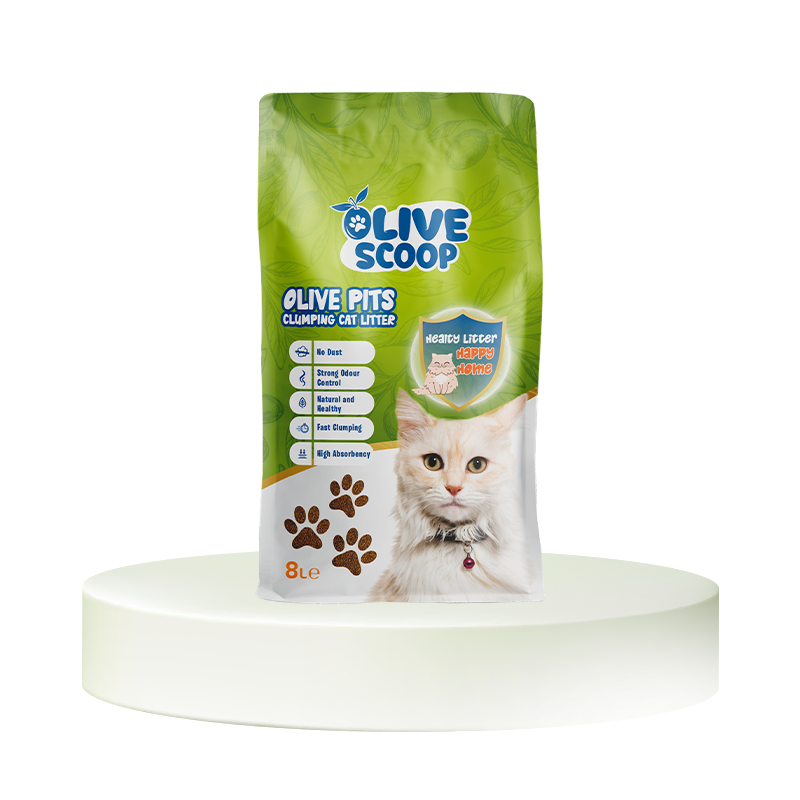
If you want a dust-free experience without giving up a satisfying clump-and-scoop routine, olive‑pit litter is a seriously compelling category.
Why it makes the list
Best for
Tip (cat-lover realism):
Even the best litter can look dusty if you dump it in fast. Pour slowly, close the bag, and let the tray settle for 2–3 minutes before your cat cannonballs in. For households where dust really matters, OliveScoop is one of the cleanest-feeling options currently available in the UK.
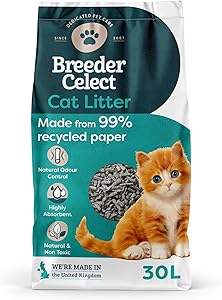
Paper pellet litter is a classic for dust-sensitive households because pellets simply don’t crumble into airborne powder the way fine clay can.
Why it makes the list
Best for
Trade-off
Many paper litters are non‑clumping, so cleaning feels different: you remove solids daily, and do partial/complete changes depending on odour and saturation.
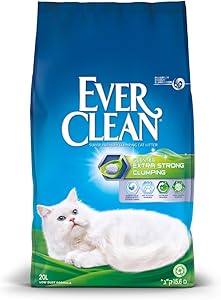
If you want a litter that feels closer to “mainstream clumping” performance-but with a strong dust-free positioning-this is one of the clearest UK-available options.
Why it makes the list
Best for
Trade-off
It’s still a clay-based litter (so it’s heavier and not biodegradable like paper/plant fibres).
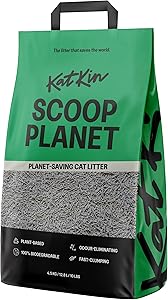
If tracking is your personal villain (hello, hallway grit), this one is built around “clean floors” vibes.
Why it makes the list
Best for
Trade-off
Subscription/direct-to-consumer isn’t everyone’s preference (though some love not lugging bags).
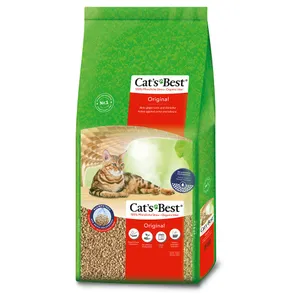
Wood-fibre clumping litters can be an excellent middle ground: lighter than clay, more scoopable than many pellets.
Why it makes the list
Best for
Trade-off
Some wood-fibre litters can still track a bit depending on pellet size and your cat’s digging style.
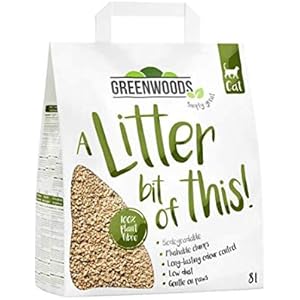
A solid contender if you want low dust and clumping-without the boutique price tag.
Why it makes the list
Best for
Trade-off
Texture preferences vary (some cats are extremely opinionated critics).
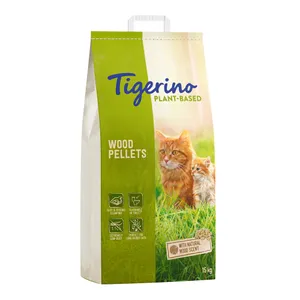
This is another UK-available option with an explicit low-dust positioning.
Why it makes the list
Best for
Trade-off
Like most clumping litters, tracking depends on your tray setup (more on that below).
If allergies/asthma are the priority
Start with paper pellets (Breeder Celect) or a clearly dust‑free plant/alternative (OliveScoop, KatKin). If you need maximum odour control, consider Ever Clean’s dust-free clumping option.
If your cat tracks litter everywhere
Look for:
If you’re switching from clay and your cat is fussy
Choose a litter with a more familiar, diggable texture and transition slowly (see the step-by-step plan below). Also consider how tray size and setup affects acceptance-International Cat Care notes litter tray setup plays a major role in toileting comfort.
Low-dust litter is step one. These small habits are step two—and they add up:
1) Pour like you’re handling flour, not gravel
Pour low to the tray (close to the surface)
Pour slowly and pause halfway
Let dust settle for a minute before moving the tray
2) Avoid “shake and dump” refills
Shaking the bag breaks granules and creates more airborne powder over time.
3) Scoop daily (it genuinely helps)
Daily scooping isn’t just about smell. It helps keep the litter from breaking down into fine particles and keeps your cat happier about using the tray. For hygiene best practices, veterinary/parasite guidance often emphasises frequent removal of faeces. Learn how to clean a litter box properly.
4) Upgrade your tray setup (fast win)
Cats don’t read our budgets. They do, however, notice when you change their bathroom flooring overnight.
A gentle transition usually works best:
If your cat is already protesting their current litter, troubleshoot the root cause first (texture, scent, tray cleanliness, location).
In practice, most “dust-free” litters are low‑dust and may still produce small amounts of dust depending on how they’re poured and used.
Pellets and larger-format litters (paper pellets, plant pellets, larger-granule clumping) generally produce less airborne dust than fine clay.
Often, unscented + good clumping + frequent scooping wins. Many cats are sensitive to strong fragrances, and good litter management does more than perfume.
It depends on litter type, number of cats, and tray size. With clumping litters, many households do a “top up + scoop” routine and empty periodically; non-clumping pellets may need more frequent full changes.
The “best” dust-free litter is the one your cat will actually use-without turning your home into a gritty, sneezy mess.
If you want the cleanest, simplest upgrade path, start with:
And if you’re ready to make litter-box life noticeably cleaner: try OliveScoop’s no-dust, natural clumping olive‑pit litter and see how much calmer (and less gritty) your daily routine feels.
Breathe easier-starting with the litter tray. Switch to a low‑dust litter today, upgrade your tray setup, and give your cat a cleaner, more comfortable bathroom experience.
