
If you have a cat at home, you already know that they are very picky and have strong opinions, especially when it comes to their toileting habits.
While it may seem like a simple purchase, choosing the right litter box is actually one of the most important decisions you can make for your cat’s health and happiness.
A well-chosen litter box prevents inappropriate defecation (those terrible accidents outside the box), reduces cat stress, and keeps your home smelling fresh. On the other hand, an incorrectly chosen box can lead to behavioral problems and a trip to the vet.
In this detailed guide, we’ll delve into cat behavior, vet advice, and the practicalities of choosing a litter box. Whether you’re bringing home a new kitten, caring for an older cat with arthritis, or managing a multi-cat household, this post will give you the practical insight you need.
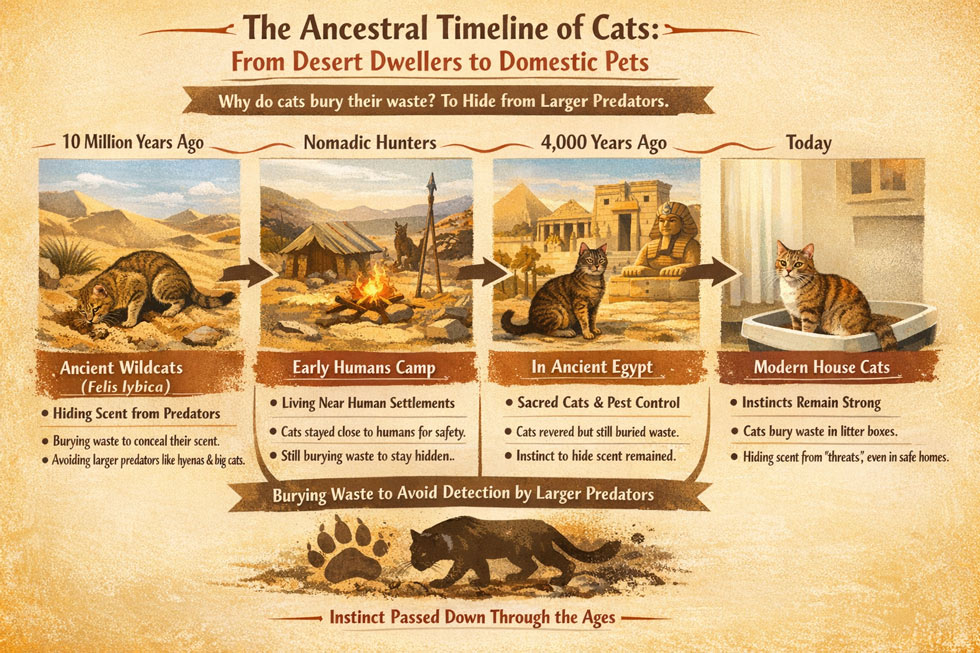
Cats are incredibly instinctively driven. In the wild, they are both predators and prey. When a cat uses the bathroom, it is in a vulnerable position. Their wild instincts tell them they need a safe, clean, and easily escapable place to do their business.
When you bring a cat indoors, you must replicate that environment. If the litter box makes them feel trapped, cramped, or dirty, they will simply find somewhere else to go-often a rug, a pile of laundry, or the corner of your bedroom.
Key Takeaways from Feline Behaviorists:
If there is one universal mistake cat owners make, it is buying a litter box that is too small. Many commercial litter boxes on the market are designed for human convenience and aesthetics, not for feline comfort.
When Choosing The Right Litter Box, you must prioritize your cat’s dimensions over your floor space.
The Mathematical Formula for Success
Veterinarians and feline behaviorists agree on a standard formula for litter box size:
Cats engage in a specific sequence of behaviors when eliminating:
If a box is too small, your cat cannot comfortably turn around. This leads to them stepping in their own waste or accidentally hanging their rear end over the edge of the box.
For large breeds like Maine Coons or Ragdolls, standard commercial boxes are almost never large enough; many owners of large breeds find success using under-bed storage containers or mixing tubs from hardware stores.
Read: 10 Litter Box Mistakes Most Cat Parents Don’t Know They’re Making
Walk down any pet store aisle, and you will see a massive divide: boxes with hoods and boxes without. Which is better? The answer depends entirely on your cat.
The Case for Uncovered Litter Boxes
For the vast majority of cats, uncovered boxes are the preferred choice.
The Case for Covered Litter Boxes
Covered boxes are usually preferred by humans to hide the mess, but they do have specific use-cases for cats.
The “Elevator Butt” Cat: Some cats stand up while urinating. A covered box (or a high-sided uncovered box) prevents urine from spraying onto your walls.
Aggressive Diggers: If your cat kicks litter enthusiastically, a hood keeps the mess contained.
Shy Cats: A small percentage of highly anxious cats prefer the cave-like security of a hood, provided they don’t feel trapped by other pets in the home.
Actionable Tip: If you choose a covered box, you must scoop it twice as often to prevent odor buildup inside the dome.
When Choosing The Right Litter Box, you must factor in your cat’s age and physical ability. A healthy adult cat can leap into a high-sided box with ease, but kittens and senior cats have very different needs.
For Tiny Kittens
Kittens have short legs and limited coordination. They need a box with a very low entry point (around 2 to 3 inches high). If the wall is too high, they may not make it inside in time. As they grow, you will need to upgrade to a larger, adult-sized box.
For Senior and Arthritic Cats
According to the Cornell Feline Health Center, a significant percentage of cats over the age of 10 suffer from osteoarthritis. Jumping or climbing over a high plastic wall can cause them severe pain.
Technology and design have revolutionized the pet industry. Let’s break down the main categories you will encounter.
The Standard Pan
This is the classic, rectangular plastic tub.
High-Sided Litter Boxes
These are standard pans with dramatically raised walls on three sides.
Top-Entry Litter Boxes
These look like storage bins with a hole cut in the lid. The cat jumps on top and drops down inside.
Self-Cleaning and Automatic Litter Boxes
These high-tech boxes use sensors to rake waste into a hidden receptacle after the cat leaves.
Read: How to Clean a Litter Box
You can spend hundreds of dollars on the perfect litter box, but if you put it in the wrong place, your cat won’t use it. Placement is just as crucial as the box itself.
Rules for Litter Box Placement
If you have more than one cat, you cannot expect them to happily share a single bathroom. Feline behaviorists universally recommend the “N+1” Rule.
Number of Cats (N) + 1 = The Number of Litter Boxes You Need.
Why is this necessary?
Cats are territorial. Even cats that groom each other and sleep together may refuse to share a litter box. A dominant cat might physically block access to the only box in the house, forcing the submissive cat to eliminate elsewhere. Furthermore, some cats prefer to urinate in one box and defecate in another.
Spreading the boxes throughout different levels and rooms of your house prevents territorial guarding and ensures a box is always nearby when nature calls.
Read: How Long Can a Cat Go Without a Litter Box?
Ultimately, Choosing The Right Litter Box requires you to be an active observer of your pet. If your cat is consistently going outside the box, pacing around it before entering, or balancing on the edges to avoid touching the litter, they are telling you that something is wrong.
Always rule out medical issues with your veterinarian first when inappropriate elimination occurs. Once health issues are cleared, look closely at the size, type, and location of your box. By applying the principles in this guide-prioritizing size, ensuring easy access, and respecting their wild instincts-you will create a harmonious, odor-free home for both of you.
We want to hear from you! What type of litter box does your feline overlord prefer? Have you ever had to get creative with DIY storage bins for a large cat? Share your experiences and tips in the comments below!